Bitcoin and Tether Dominate as CoinMarketCap Data Reveals the 10 Most Traded Cryptocurrencies of 2026
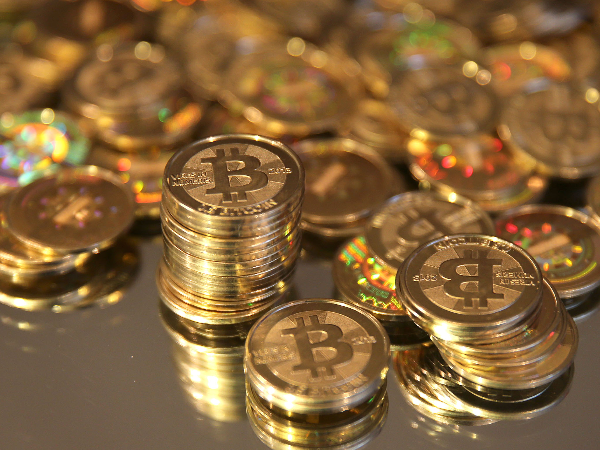
NEW YORK — Tether's stablecoin and Bitcoin continue to command the largest share of daily trading activity across global cryptocurrency markets, according to the latest volume rankings from data provider CoinMarketCap, underscoring how dollar-pegged stablecoins have become the backbone of crypto trading even as speculative interest in the asset class remains concentrated in a small handful of major tokens.
Tether's USDT token led all cryptocurrencies in trading volume over the trailing 30-day period, with roughly $3.76 trillion changing hands, according to CoinMarketCap data. That figure dwarfed every other asset tracked on the platform, reflecting USDT's role as the primary medium traders use to move in and out of positions without converting back to traditional currency. Bitcoin ranked second, with approximately $1.66 trillion in trading volume over the same period, followed by rival stablecoin USDC at roughly $541.6 billion.
Ethereum, the second-largest cryptocurrency by market value, came in fourth with about $221.8 billion in 30-day trading volume, while Solana followed in fifth place with roughly $179.0 billion. XRP rounded out the top six, with approximately $158.9 billion traded over the period.
Rounding out the top ten were Zcash, a privacy-focused cryptocurrency that has seen renewed trading interest, with roughly $49.8 billion in volume; Dogecoin, the long-running meme cryptocurrency, at about $42.7 billion; KiiChain, a newer blockchain network that logged a notable $39.4 billion in trading activity; and BNB, the token associated with the Binance exchange ecosystem, at approximately $35.1 billion.
The dominance of stablecoins atop the rankings reflects a broader structural feature of cryptocurrency markets rather than a sign of speculative appetite for those specific assets. Because USDT and USDC are pegged to the U.S. dollar, traders use them as a parking spot for capital between trades, meaning their trading volume tends to reflect overall market turnover rather than directional bets on price appreciation. That dynamic has become more pronounced following the passage of stablecoin legislation in the United States in 2025, often referred to as the GENIUS Act, which established new standards for reserve transparency and regulatory oversight that have expanded institutional use of dollar-pegged tokens for settlement, cross-border payments and on-chain yield strategies.
Bitcoin's position as the most actively traded non-stablecoin asset continues a pattern that has held for much of the cryptocurrency market's history, with the original cryptocurrency maintaining its role as the primary entry point for both retail and institutional capital flowing into the sector. Ethereum's position in fourth place reflects its continued dominance as the leading platform for decentralized finance applications, smart contracts and tokenized assets, even as newer, faster blockchain networks have chipped away at some of its market share in recent years.
Solana's strong showing in fifth place highlights the network's continued growth as a hub for high-speed trading activity, including a large volume of trading tied to meme coins and other speculative tokens launched on decentralized exchanges built on the Solana blockchain. XRP's position in the top six comes as the token has benefited from greater regulatory clarity following the resolution of its long-running legal dispute with the U.S. Securities and Exchange Commission, along with growing institutional interest tied to cross-border payment use cases championed by Ripple, the company closely associated with the token.
The appearance of KiiChain in the rankings stands out as something of an outlier, given the network's relatively limited public profile compared with the other assets in the top ten. Volume spikes of that magnitude for smaller or newer blockchain networks can sometimes reflect a surge of trading activity following an exchange listing, promotional trading incentives, or concentrated activity among a small number of large holders, rather than the kind of broad-based, sustained trading interest seen in more established assets like Bitcoin or Ethereum. Traders and analysts typically scrutinize such spikes closely, since volume figures for less liquid tokens can be more susceptible to distortion than those of larger, more widely held cryptocurrencies.
BNB's continued presence near the top of the rankings reflects Binance's position as the world's largest cryptocurrency exchange by trading volume, a status the platform has maintained through multiple market cycles despite years of regulatory scrutiny in various jurisdictions. Dogecoin's appearance in the top ten, meanwhile, illustrates the enduring trading interest in meme-based cryptocurrencies, which have continued to attract retail speculative activity even as the broader market has matured and drawn in more institutional participants.
Zcash's climb into the top ten marks a notable shift, as the privacy-focused cryptocurrency has drawn renewed attention from traders in recent months, a reversal from the years of declining volume that had pushed many privacy coins toward the margins of the market amid tightening exchange listing standards and regulatory pressure on assets designed to obscure transaction details.
Taken together, the rankings illustrate a cryptocurrency market that remains heavily concentrated at the top, with a small number of assets, led by dollar-pegged stablecoins and Bitcoin, accounting for the overwhelming majority of trading activity, even as thousands of smaller tokens continue to launch and compete for attention further down the list. Market watchers note that such rankings can shift quickly given the volatility inherent in crypto trading volumes, with newer tokens capable of briefly cracking the top ten during periods of concentrated speculative interest before volume normalizes.
For now, the broad contours of the market, dollar-pegged stablecoins facilitating the bulk of trading turnover, Bitcoin and Ethereum anchoring investor interest in the underlying assets, and a rotating cast of altcoins and meme tokens filling out the remainder of the list, have remained largely consistent through 2026, even as individual token rankings continue to fluctuate from month to month.
Source: https://www.ibtimes.com.au/tether-bitcoin-dominate-crypto-trading-volume-1875488